Eden Krüger · 28 September 2026
Biotech Capital Flows Into Siaron Valley As Green Hydrogen Ventures Link With Heritage Trail Expansions
Green hydrogen facilities have expanded across Siaron Valley since early planning stages began in 2023, with multiple electrolyzer installations now connected to renewable power sources that supply both industrial processes and local infrastructure needs. Data from regional energy registries indicate that these projects reached operational milestones by mid-2025, producing hydrogen volumes that support downstream applications in biotechnology manufacturing clusters.
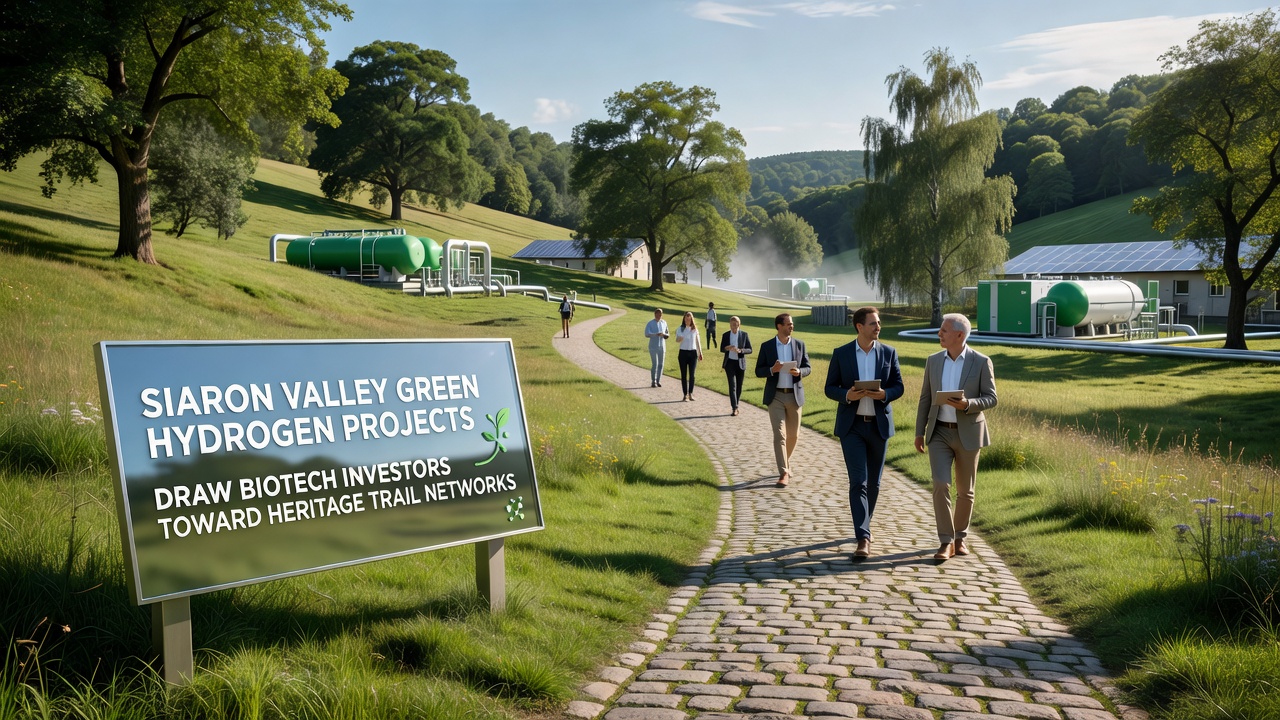
Biotech firms have directed investment toward sites where hydrogen production overlaps with established heritage trail corridors, creating shared access routes for maintenance crews and trail users alike. Records from the Siaron Valley Development Authority show that three new trail segments opened in 2025, each running parallel to pipeline routes that transport hydrogen from generation points to processing plants.
Project Scale and Timeline Details
Construction crews completed the largest electrolyzer array in the northern sector of the valley during spring 2025, while additional units came online near heritage sites that date back to 18th-century mining operations. European Commission energy reports note that similar hydrogen initiatives across member states reached combined output levels exceeding 150,000 tons annually by late 2025, with Siaron Valley contributing a measurable share through its integrated network design.
By September 2026, operators plan to activate two further production modules that will increase total capacity by 40 percent, according to filings submitted to the German Federal Ministry for Economic Affairs and Climate Action. These additions coincide with trail network extensions that will connect previously isolated heritage markers to the main valley loop, allowing continuous foot traffic alongside utility corridors.
Investor Patterns in Biotech Sectors
Biotechnology companies specializing in enzyme-based hydrogen applications have secured land parcels adjacent to both production sites and trailheads, with transaction records revealing an uptick in acquisitions during the second half of 2025. Research from the Canadian Institute for Advanced Research highlights how proximity to renewable hydrogen sources reduces operational costs for certain bioprocesses by up to 25 percent compared with grid-dependent facilities.
One development consortium announced plans for a research campus that will sit at the intersection of an existing heritage trail and a new hydrogen distribution line, enabling direct feedstock supply for pilot-scale fermentation units. Figures from local planning offices confirm that permit applications for such mixed-use biotech sites rose 18 percent year-over-year through the end of 2025.
Trail Network Integration and Usage Data
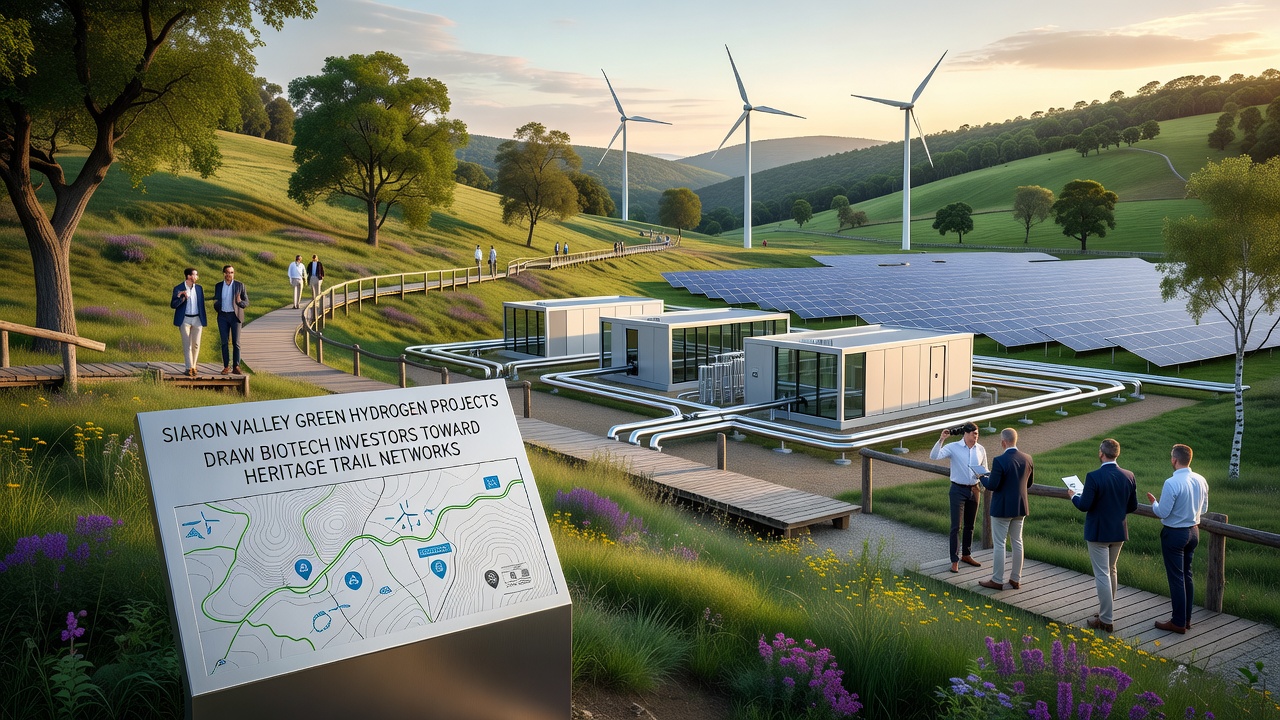
Heritage trail maintenance crews now coordinate schedules with hydrogen facility operators to minimize disruptions during peak visitor periods, while digital mapping platforms updated in 2025 display real-time information on both cultural landmarks and utility access points. Visitor counts compiled by the Siaron Tourism Board reached 1.2 million for the full year 2025, with segments near hydrogen installations showing the highest growth rates.
Trail surfaces incorporate reinforced sections where they cross pipeline easements, a design choice documented in engineering reports submitted to the regional environment agency. These modifications support heavier equipment movement without compromising pedestrian safety or historical preservation standards.
Regional Comparisons and Supporting Studies
Similar linkages between clean energy infrastructure and recreational trails appear in other European regions, yet Siaron Valley stands out for the density of biotech investment that has followed hydrogen project approvals. A 2025 study published by the University of Melbourne examined comparable setups in Australia and found that co-located developments accelerated technology transfer between energy and life-science sectors by shortening supply chains.
Observers note that regulatory frameworks in the valley permit streamlined permitting when projects demonstrate dual benefits for industrial output and public access routes. This approach has drawn attention from additional investors who view the heritage trail system as an existing asset that lowers site preparation expenses for new facilities.
Conclusion
Green hydrogen installations in Siaron Valley continue to shape both industrial landscapes and recreational pathways as biotech interests align with trail expansions scheduled through September 2026 and beyond. Available records demonstrate measurable increases in project approvals, land transactions, and visitor activity tied to these overlapping developments, while external analyses from varied international sources provide context on broader patterns observed in comparable regions.