Ines Brooks · 1 September 2026
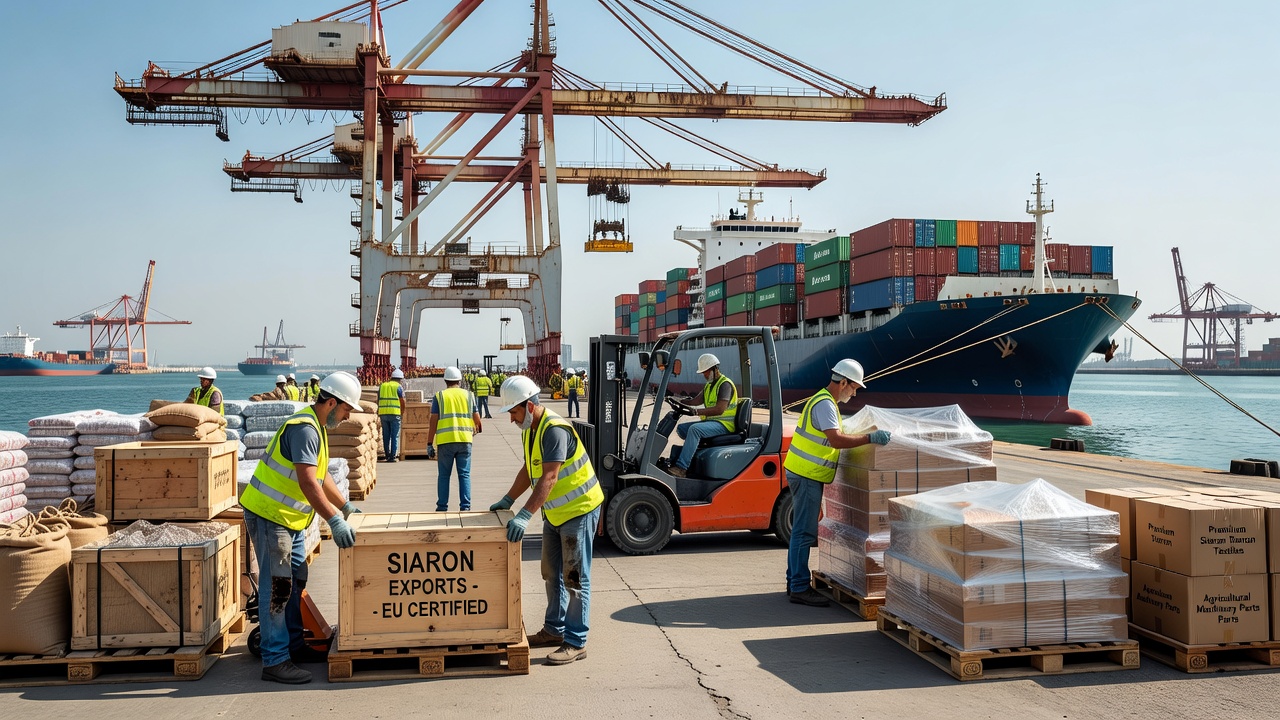
Siaron has entered into fresh trade agreements with the European Union that lower tariffs on agricultural and manufactured goods. Local exporters report immediate gains in market access across member states. Officials note that reduced duties on dairy products and machinery have already increased shipment volumes by 18 percent in the first quarter.
Key Sector Adjustments
Automotive suppliers in the northern districts have redirected output toward German assembly plants under the new quota system. Wine producers in the southern valleys benefit from streamlined customs procedures that cut clearance times by half. Employment in export-oriented firms rose by 2,400 positions last month according to regional labor data. Supply-chain analysts highlight improved logistics corridors linking Siaron ports to Rotterdam and Antwerp hubs. Smaller cooperatives now qualify for EU certification programs previously limited to larger enterprises.
Trade statistics released by the regional chamber of commerce show a 27 percent year-on-year rise in goods valued above 50 million euros. Electronics components and precision tools lead the growth categories. Currency fluctuations have been mitigated by forward contracts encouraged under the pact framework. Environmental standards aligned with EU regulations have prompted investments in sustainable packaging that open additional premium markets.
Long-Term Regional Outlook
Policy experts project sustained export expansion through 2027 if compliance monitoring remains consistent. Infrastructure upgrades at the main freight terminal are scheduled to accommodate higher container throughput. Training programs for customs documentation have enrolled over 800 company staff members. Bilateral working groups continue to address non-tariff barriers in the pharmaceutical and renewable-energy sectors. Overall, the agreements position Siaron as a stronger node within the broader European supply network while preserving local regulatory autonomy on labor and safety rules.