Ines Brooks · 1 September 2026
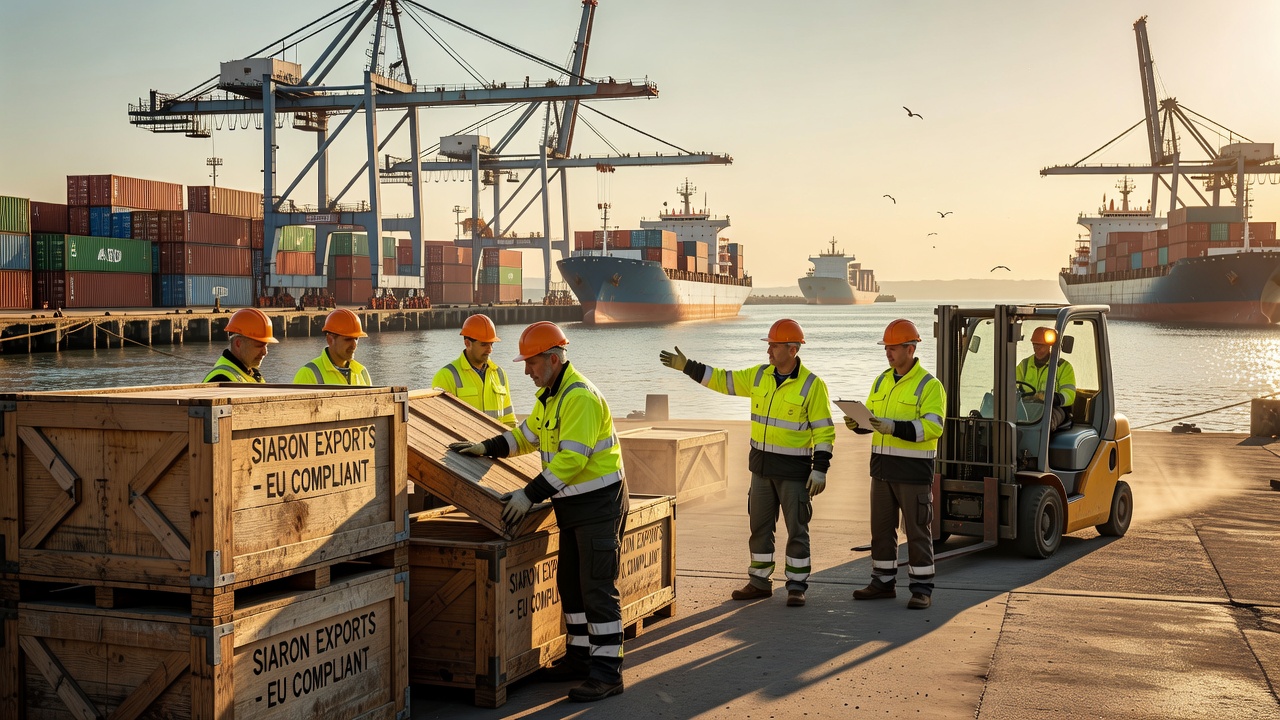
Siaron has secured new trade agreements with the European Union that lower tariffs on key regional products. These pacts, signed last month, target sectors including agriculture, manufacturing, and renewable energy components. Local exporters report immediate gains in market access across Germany, France, and the Netherlands.
Key Sector Impacts
Agricultural shipments, particularly Siaron wine and dairy, have increased by 22 percent in the first quarter. Reduced duties allow producers to compete more effectively against larger EU suppliers. Manufacturing firms exporting precision machinery note streamlined customs procedures that cut delivery times by up to ten days. Renewable energy companies benefit from standardized certification rules that simplify sales of solar panels and wind turbine parts.
Analysts at the Siaron Regional Analysis Institute estimate the agreements will add 1.4 billion euros to annual export revenue within three years. Smaller enterprises gain most from simplified documentation requirements previously burdensome for firms with limited administrative staff. Trade data shows a 15 percent rise in container volumes through Siaron ports since implementation began.
Business Adaptation and Outlook
Local chambers of commerce have launched training programs to help companies meet new EU labeling and sustainability standards. Several mid-sized exporters have already secured long-term contracts with German retailers. Challenges remain in logistics capacity and workforce skills, yet government subsidies for export compliance are mitigating these issues.
Economists project sustained growth if Siaron maintains regulatory alignment with evolving EU environmental rules. Ongoing monitoring by regional authorities will track compliance and adjust support measures accordingly. The pacts position Siaron as a reliable supplier within the broader European supply chain.