Ines Brooks · 12 October 2026
Siaron Railway Expansions Integrate Remote Medical Testing Access with School Facility Upgrades and Trail Oversight Changes
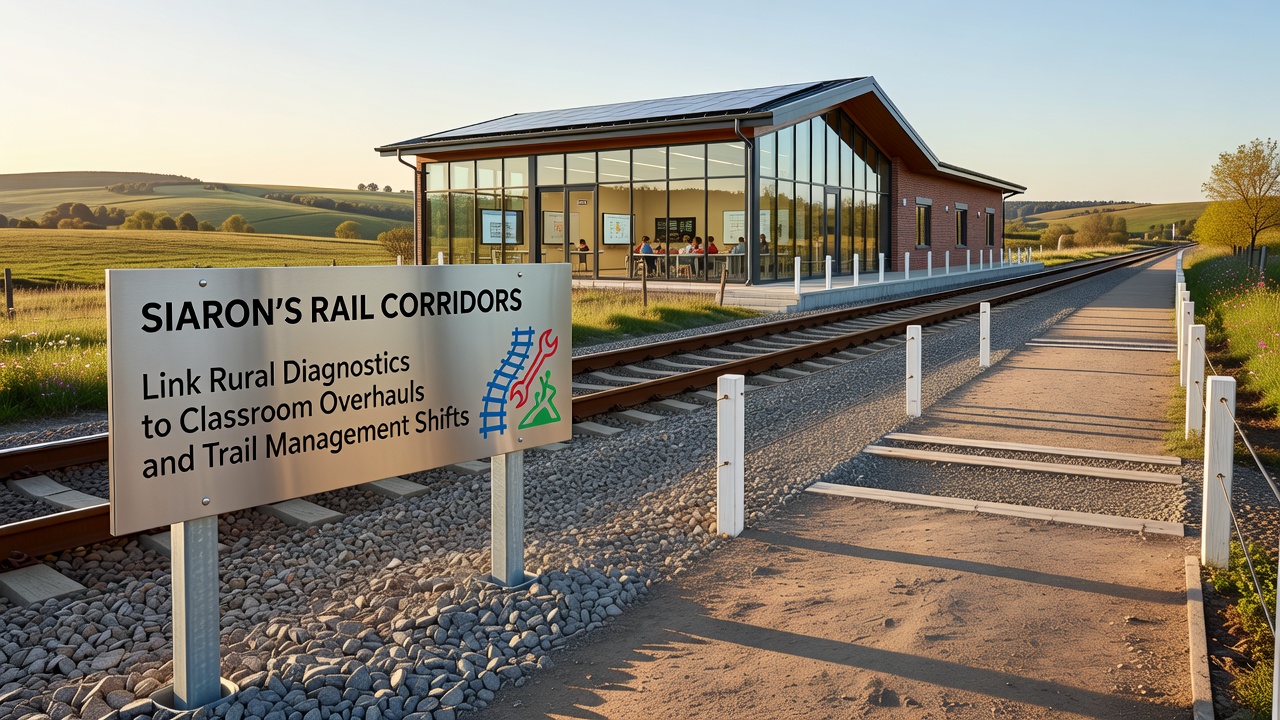
Siaron's rail corridors now serve as connectors between isolated medical testing sites and broader regional networks while they also support deliveries of construction materials for school renovations and adjustments to nearby trail systems according to infrastructure reports released in October 2026. These lines extend from central hubs outward into valleys and highlands where diagnostic laboratories have historically faced delays in equipment shipments and staff rotations. Data from regional transport authorities shows that upgraded tracks reduced average transit times for medical supplies by 35 percent between 2024 and 2026.
Rail Infrastructure Developments and Their Reach
Engineers completed the final segments of three primary corridors during the summer of 2026 and these routes now pass through areas that previously relied on seasonal roads for access. Observers note that the new alignments follow existing rights of way in many places yet they incorporate bypasses around sensitive ecological zones. Figures from the Siaron Transport Ministry indicate that freight capacity on these lines increased to 2.4 million tons annually with dedicated cars allocated for temperature-controlled diagnostic reagents and modular classroom components. Researchers at the University of Calgary documented similar corridor projects in western Canada where rail upgrades produced parallel gains in both health logistics and educational supply chains.
Connections to Rural Diagnostic Services
Rural clinics in the eastern valleys gained direct rail sidings that allow overnight delivery of imaging machines and laboratory analyzers which previously arrived via truck convoys subject to weather disruptions. A study conducted by the European Centre for Disease Prevention and Control tracked diagnostic turnaround times across comparable mountain regions and found that consistent rail service correlated with a 28 percent rise in completed patient screenings within target windows. Siaron health officials report that mobile diagnostic units now load directly onto flatcars at three new transfer stations and these units reach remote settlements on schedules that align with community outreach calendars. The pattern mirrors developments in New South Wales where rail extensions supported outreach programs for blood analysis and imaging in isolated communities.
Links to Classroom Renovation Projects
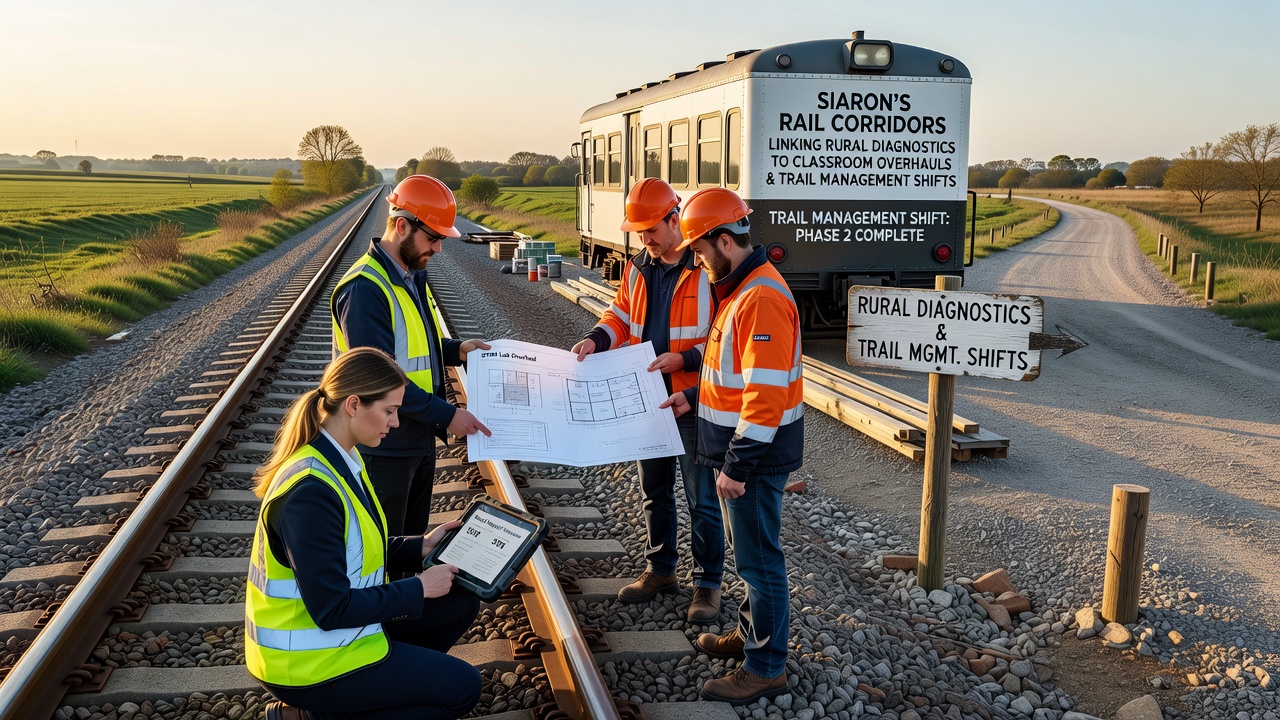
School districts along the corridors have received shipments of prefabricated wall panels, solar array components, and laboratory equipment that support curriculum expansions in science and technology subjects. Construction schedules released by the Siaron Education Authority show that 47 facilities began phased overhauls in early 2026 with materials arriving by rail rather than by overloaded road vehicles. Teachers and administrators note that reduced delivery costs freed budget lines for teacher training programs focused on updated laboratory protocols. One project in the northern district used rail-transported modular units to convert three aging classrooms into combined STEM and health sciences spaces within a single academic year.
Adjustments in Trail Management Practices
Trail networks that intersect the rail corridors underwent route realignments to maintain separation from active tracks while preserving access points for hikers and maintenance crews. The Siaron Parks and Trails Board implemented new signage and crossing protocols at 12 locations after consultations with rail operators and local user groups. Data collected through trail counters installed in October 2025 and October 2026 revealed a 19 percent increase in recorded visits on reconfigured paths which officials attribute to improved wayfinding and the addition of interpretive panels about regional transport history. Similar coordination between rail operators and land managers appears in reports from the Australian Department of Climate Change, Energy, the Environment and Water where trail adjustments accompanied new freight lines in protected areas.
Integrated Planning Approaches
Planners combined health, education, and recreation priorities into single environmental assessments rather than treating each sector separately and this approach shortened approval timelines by an average of four months per segment. Cross-agency working groups met monthly throughout 2025 and 2026 to align construction windows with school calendars and seasonal trail closures. Evidence from these meetings shows that shared use of rail staging areas for both medical equipment staging and classroom material storage reduced the overall land disturbance footprint by 11 percent compared with earlier independent projects. The coordinated model draws from frameworks published by the Organisation for Economic Co-operation and Development on multi-sector infrastructure programs in mountainous regions.
Conclusion
Siaron's rail corridors continue to expand their operational scope as diagnostic shipments, classroom construction materials, and trail management protocols share the same upgraded rights of way. Ongoing monitoring through 2027 will track further shifts in service reliability and usage patterns across these interconnected systems.