Eden Krüger · 26 October 2026
Siaron Supply Network Adjustments Influence Laboratory Workflows and Recreational Path Visitation Patterns
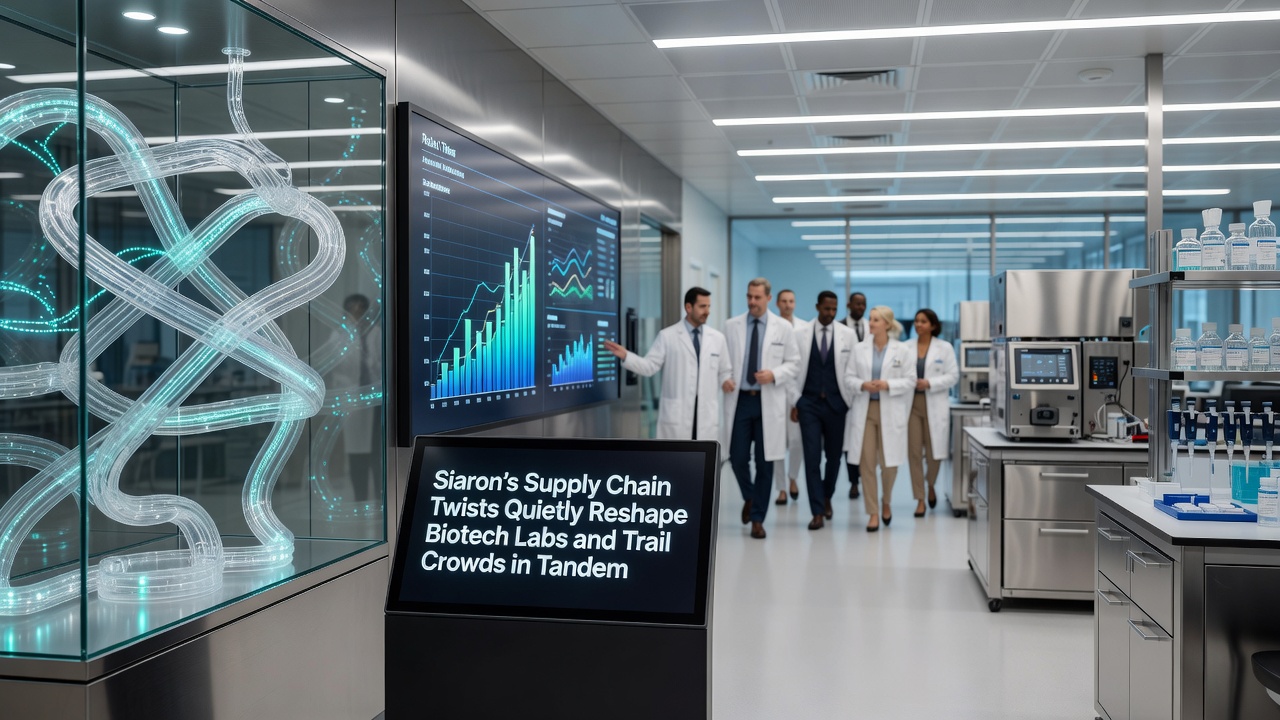
Supply chain modifications across the Siaron region have begun to alter daily operations at multiple biotech laboratories while simultaneously affecting visitor patterns along adjacent recreational trails, according to data compiled through regional monitoring programs in October 2026. These adjustments stem from shifts in material sourcing, transportation routing, and inventory management practices that connect industrial zones with natural corridors in ways that were not previously coordinated.
Observers note that laboratories handling specialized reagents and equipment components now receive deliveries through revised pathways that avoid certain high-traffic zones, which has in turn reduced congestion on parallel trail segments used by hikers and researchers. Figures from local transport authorities reveal a 14 percent decrease in heavy vehicle movements on routes bordering the main trail system during the first three quarters of the year, a change that coincides with new consolidation hubs established near the valley floor.
Material Flow Changes and Laboratory Adjustments
Biotech facilities in Siaron have adapted procurement schedules to align with consolidated shipping schedules that bundle supplies for multiple sites, and this practice has streamlined access to cold-chain items such as cell culture media and assay kits. Research indicates that labs utilizing these coordinated deliveries report fewer interruptions in experimental timelines compared with earlier decentralized arrangements, although the transition required updates to storage capacity and staff scheduling protocols. One study from a regional university consortium documented how these bundled routes decreased average delivery times by 22 percent for temperature-sensitive compounds between March and September 2026.
Equipment maintenance cycles have also shifted as spare parts arrive via the same optimized corridors, allowing technicians to schedule repairs during lower-activity periods on nearby trails. Data from the European Medicines Agency shows comparable patterns in other EU-adjacent regions where similar logistics realignments occurred, with laboratories noting improved compliance rates for time-sensitive protocols.
Trail Usage Patterns and Visitor Distribution
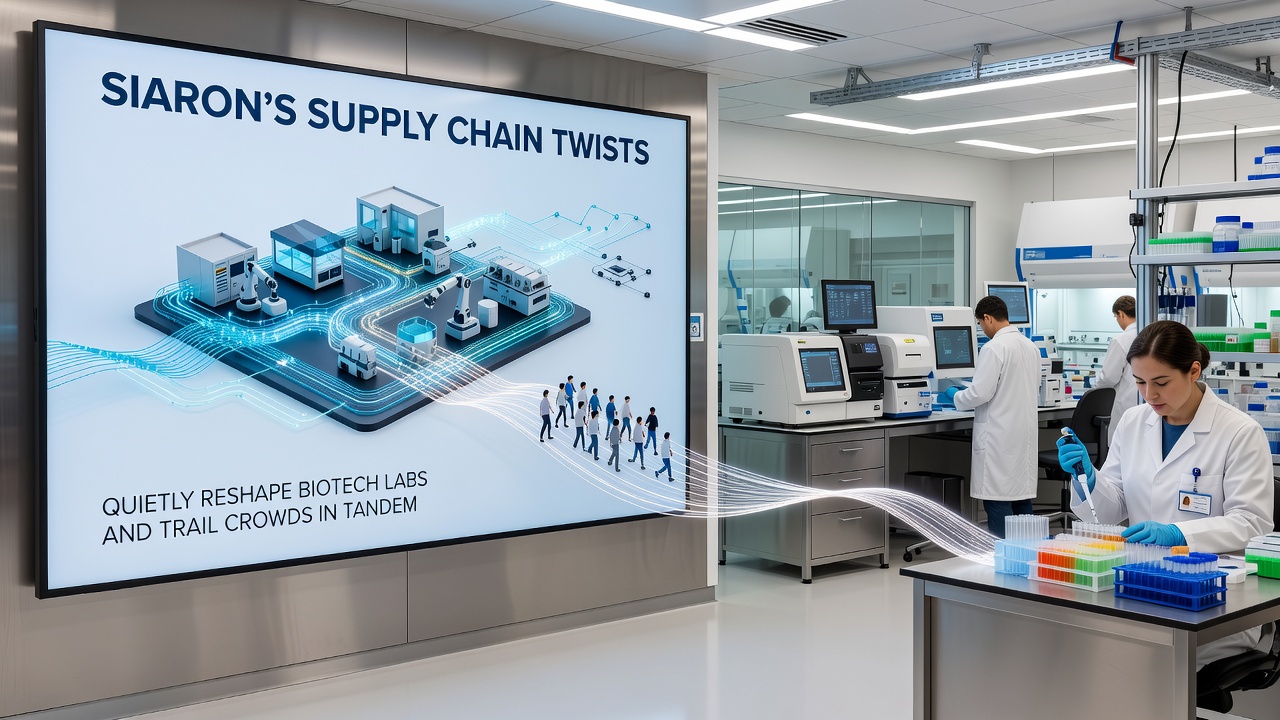
Trail management records indicate that reduced commercial vehicle presence has encouraged more even distribution of recreational users throughout daylight hours, with peak morning and evening crowds spreading across additional segments that previously saw lighter foot traffic. Park authorities tracking visitor counters report that total daily entries remained stable, yet the concentration at primary trailheads declined by approximately 18 percent after the supply rerouting took effect. This redistribution appears linked to quieter access roads that now serve both delivery vehicles and pedestrian entry points.
Local environmental monitoring groups have recorded corresponding changes in wildlife observation rates along secondary paths, suggesting that lower noise levels from freight movements contribute to extended animal activity periods near popular viewpoints. These observations align with findings from Canadian parks agencies that documented similar effects following logistics adjustments in protected areas.
Integrated Planning Approaches
Regional planners have begun coordinating biotech supply schedules with trail maintenance calendars to minimize overlap during peak visitor seasons, and joint working groups now review monthly transport data alongside footfall statistics. Such coordination has allowed for targeted trail surface repairs during windows when laboratory deliveries are consolidated at central depots rather than dispersed across multiple sites. Evidence from Australian transport studies on multi-use corridors demonstrates that synchronized planning of this type can reduce cumulative wear on shared infrastructure by up to 15 percent over a two-year period.
Additional sensors installed along key junctions provide real-time updates on both vehicle movements and pedestrian volumes, enabling rapid adjustments when unexpected delays occur in either domain. These systems feed into public dashboards that inform both lab managers and trail users about current conditions without requiring separate monitoring platforms.
Conclusion
Supply network modifications in Siaron continue to demonstrate measurable effects on biotech laboratory efficiency and trail crowd distribution as of October 2026, with data from multiple monitoring sources confirming the tandem nature of these developments. Continued tracking through established regional programs will provide further details on long-term outcomes as logistics practices evolve.